0%
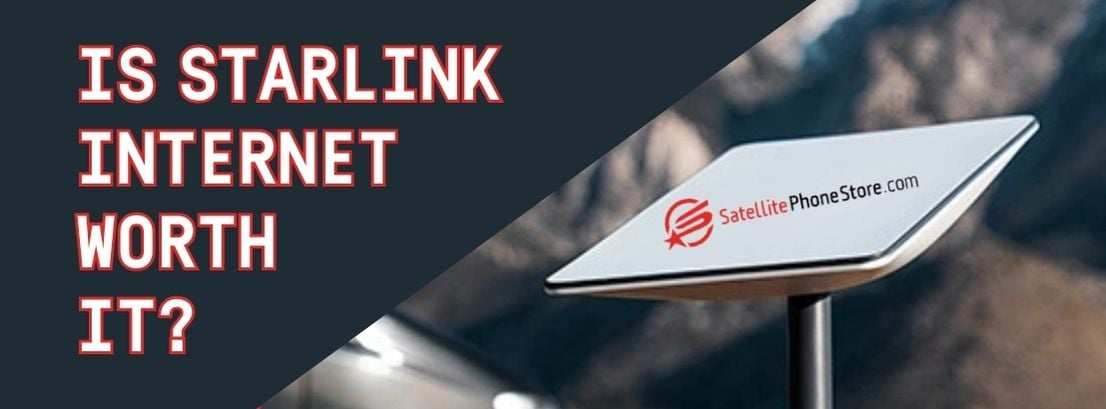
For years, we’ve heard the same story from our customers. You bought a property with a great view, miles from anywhere, only to find out the local internet options were a joke. Slow DSL, spotty cell service, or worse—traditional satellite internet with latency so bad a simple video call was impossible. We know the frustration because we’ve been installing remote communication solutions for over 20 years.
Then came Starlink. It's not just another option; it’s a complete rewrite of what’s possible for rural and remote connectivity. But with all the hype, the real question is: does it actually work in the field?
Here's our straightforward, no-nonsense breakdown based on hands-on experience deploying these systems.
What Makes Starlink Different? It’s All About Latency.
The core problem with old satellite internet wasn't just speed; it was the massive delay (latency) caused by sending a signal 22,000 miles into space and back. Starlink’s thousands of satellites operate in Low Earth Orbit (LEO), just a few hundred miles up.
This proximity slashes latency from a painful 600+ milliseconds (ms) to a snappy 25-50 ms. That’s the difference between a real-time conversation and a frustrating echo. It means you can actually use the internet for video conferencing, online gaming, and streaming without constant buffering. This one technical change solved the biggest problem that plagued satellite internet for decades.
Real-World Performance: What You'll Actually Get
Specs on a box don't mean much in a rainstorm. Here's what we've seen on the ground.
-
Speed: You can expect consistent download speeds between 50 to 250 Mbps. That’s fast enough to run a business, stream 4K content, and support a house full of devices.
-
Reliability: Your connection stability depends almost entirely on one thing: a clear view of the northern sky (in the northern hemisphere). The dish needs to see the satellites, so trees, buildings, and other obstructions are the enemy. The Starlink app has a great tool to help you find the perfect spot.
-
Weather: The dish is rugged. It’s built to live outside. The built-in heater melts snow and ice effectively, though it does use more power. Heavy rain can cause temporary slowdowns, but in our experience, outages are rare and brief.
The Hardware and Installation: Simpler Than You'd Think
Most standard Starlink kits come with the dish, a basic tripod mount, the Wi-Fi router, and cables. Setup is plug-and-play: mount the dish, plug it in, and it automatically aligns itself.
For off-grid users, the key spec is power consumption. The system draws about 45-75 watts. This is a critical number for anyone designing a solar or battery system, and we often help customers build reliable off-grid power solutions to support it.
Choosing the Right Starlink Plan
Starlink offers several plans, and picking the right one is crucial. There are no contracts, and some plans can be paused, which is a huge benefit.
See all available Starlink service plans and pricing here.
How Starlink Stacks Up to Other Options
Let's cut to the chase.
-
vs. HughesNet/Viasat: There is no competition. Starlink is a full generation ahead. Its low latency and higher speeds make it a true broadband replacement, not a last resort.
-
vs. Fiber/Cable: If you are lucky enough to have access to fiber, get it. It's still the fastest and most reliable option. But for the millions who don't, Starlink is the next best thing.
-
vs. 5G/Cellular Hotspots: Cellular is fast... if you're near a tower. Starlink provides a consistent experience almost anywhere with a clear sky, making it far more dependable for true remote use.
So, Who Is Starlink For?
We've installed this for nearly every scenario imaginable. It's the right tool for:
-
Rural Homeowners tired of being told broadband "isn't available in your area."
-
Remote Businesses that need to connect field operations, construction sites, or agricultural facilities.
-
RVers and Overlanders who want to work and stream from anywhere, not just from a crowded coffee shop.
-
Anyone Needing a Backup Plan for when storms or outages take down the primary grid.
The Bottom Line
Starlink isn't just hype; it's a field-tested solution to a problem that has held back rural and remote communities for years. It delivers reliable, high-speed internet where it was once thought impossible.
Buying the kit is the first step. Getting the right plan, the right mount for your environment, and expert support makes all the difference. That's where we come in.
Ready to solve your connectivity problem for good?
Shop our field-tested Starlink Bundles or talk to one of our experts today. We only recommend what works in the real world.