Satellite Communication: The Field Guide to Staying Connected When the Grid Fails
By the team at Satellite Phone Store — the people you call before you go where cell phones can't follow.

By the team at Satellite Phone Store — the people you call before you go where cell phones can't follow.

You're 80 miles into the backcountry. Your phone has five bars on the lock screen — five bars of nothing. The cell tower stopped 60 miles back. Until recently, that meant your phone was a flashlight with a camera. In 2026, that's changing fast. And the changes are not as simple as the headlines make them sound.

Your construction foreman is standing idle, unable to download the latest blueprints. Your retail store just lost a $10,000 sale because a backhoe cut the neighborhood's fiber line and your point-of-sale system is dead.
This isn't just an inconvenience; it's costing you money.
For decades, business-grade internet meant one of two things: an expensive, dedicated fiber line (if you could get it) or a painfully slow, high-latency VSAT dish. Starlink Business isn't just an update; it's a new category. But is it right for you?
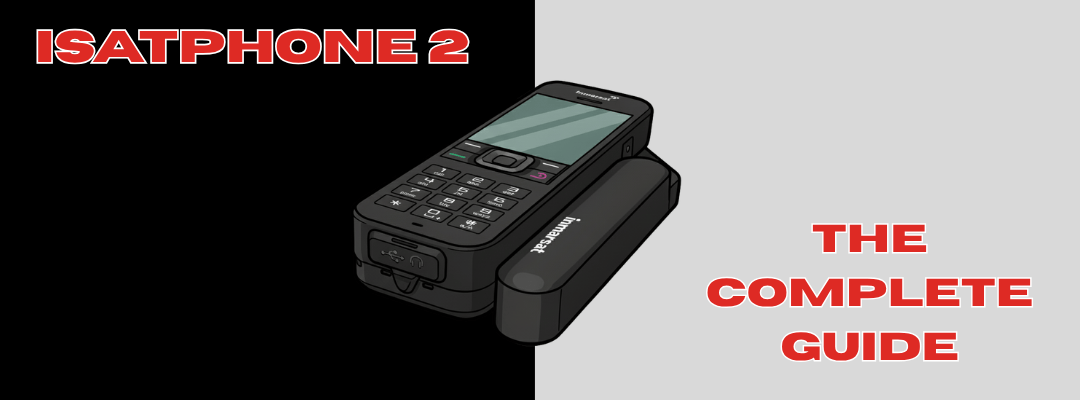
Satellite phones keep you connected when traditional networks fail. Whether you’re exploring remote wilderness, working offshore, or preparing for an emergency, renting a satellite phone ensures reliable communication anywhere on the planet—without the cost of ownership.
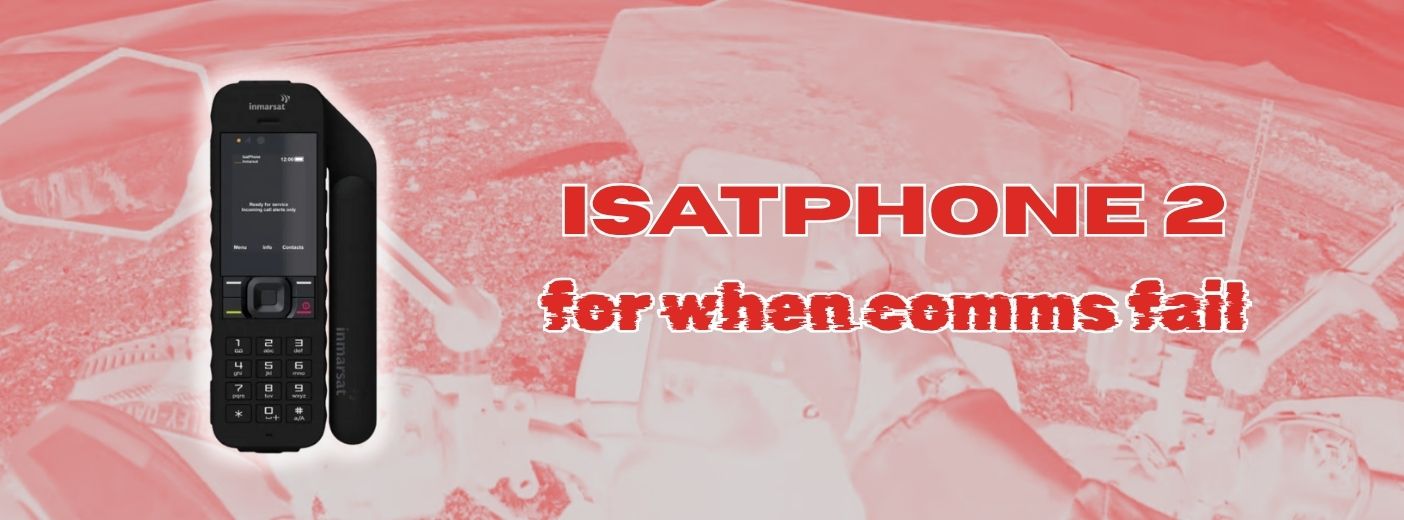
We've seen it happen. A remote mining operation goes dark for six hours because its primary comms link dropped. A first‑responder team in a disaster zone can’t coordinate efforts because the local cell network is gone. That kind of downtime isn’t just an inconvenience; it’s expensive and dangerous. The market is flooded with options, but when professionals who can’t afford to fail need satellite phones, they often reach for an IsatPhone 2 and the accompanying Isat phone service that keeps them connected.
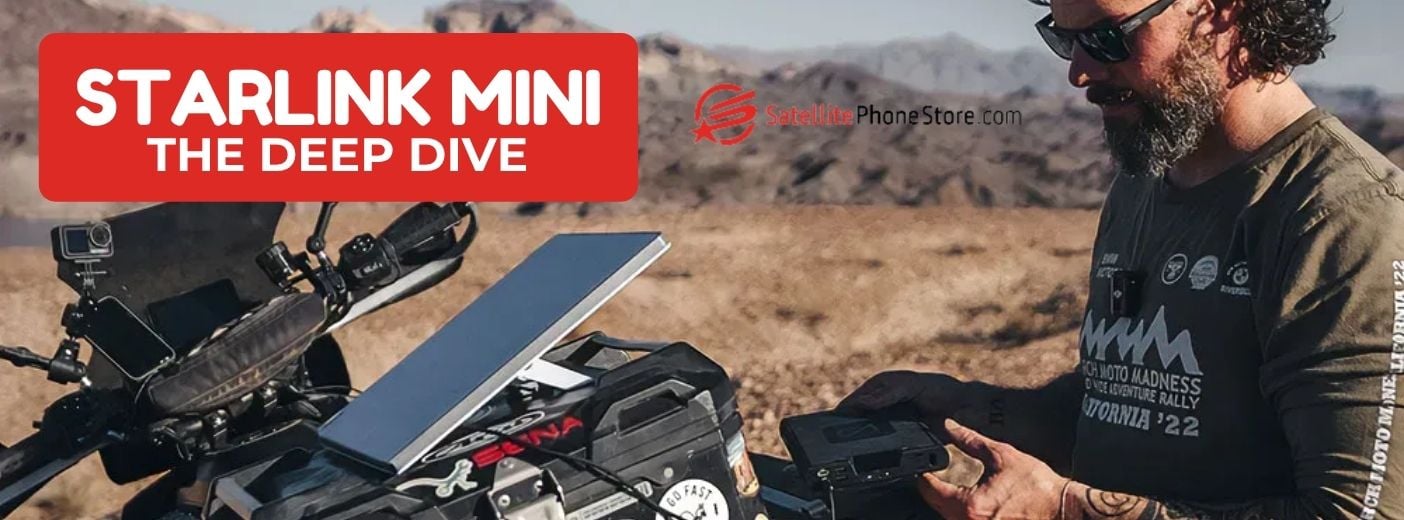
When a piece of technology comes along that doesn't just incrementally improve on what came before but fundamentally alters a whole industry (if not the world), it deserves a closer look. The Starlink Mini is precisely that—a device that redefines what it means to be connected - ANYWHERE.
This isn't just another gadget for your tech bag. It's a paradigm shift, a tiny window to a global network that promises high-speed internet almost anywhere on Earth a sliver of sky is visible. But beyond the initial excitement, critical questions arise.
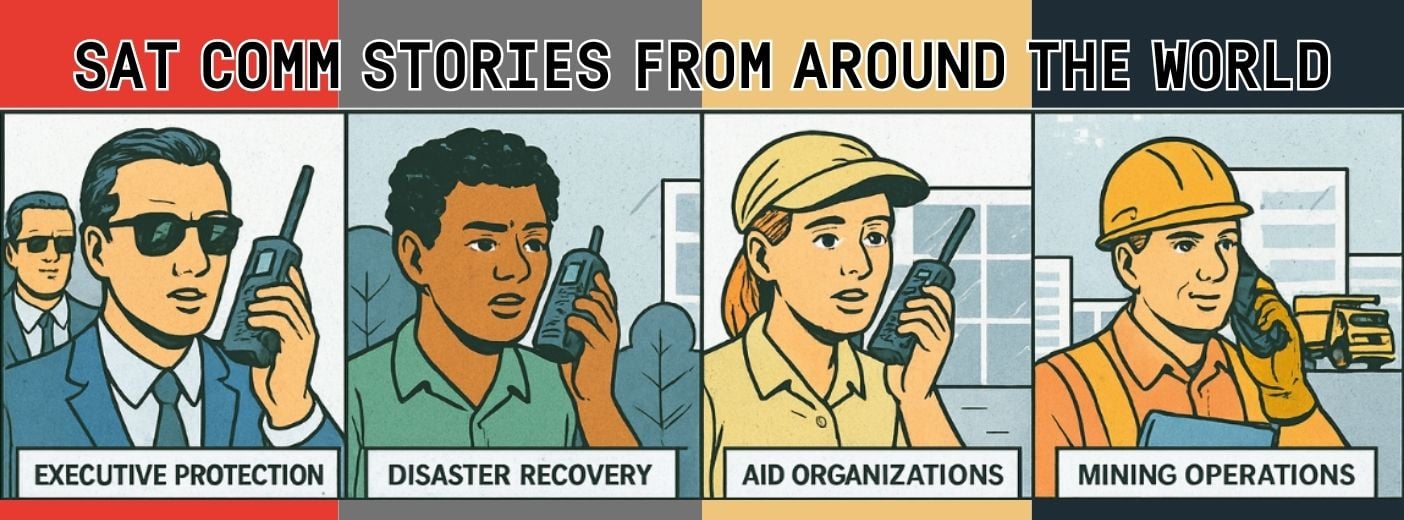
The technical specifications of a satellite phone—its IP rating, battery life, and network latency—are just numbers on a page. They only take on meaning when placed in the hands of a person facing a moment of profound disconnection. The true measure of this tech isn't in its features, but in the real-life scenarios that it enables: the call for rescue from a frozen cliffside, the business deal closed from a platform in the middle of the sea, the simple "I'm safe" message sent from the heart of a disaster zone - all require sat phone services.
Alright, let's cut to the chase. When your primary comms fail—and our experience shows it’s a matter of when, not if—your enterprise's resilience hinges on the technology you've proactively deployed. In the critical moments following a disaster, the ability to make a voice call is the absolute lifeline for coordinating response and ensuring employee safety. The two titans in this arena, Iridium and Inmarsat, offer distinct advantages, and understanding the strategic differences is paramount to building a truly resilient communications plan.
For years, we’ve heard the same story from our customers. You bought a property with a great view, miles from anywhere, only to find out the local internet options were a joke. Slow DSL, spotty cell service, or worse—traditional satellite internet with latency so bad a simple video call was impossible. We know the frustration because we’ve been installing remote communication solutions for over 20 years.
Then came Starlink. It's not just another option; it’s a complete rewrite of what’s possible for rural and remote connectivity. But with all the hype, the real question is: does it actually work in the field?
Here's our straightforward, no-nonsense breakdown based on hands-on experience deploying these systems.

On September 23rd, 2025, the U.S. Secret Service quietly stopped a plot that could have plunged New York City—and the surrounding tristate area—into a complete communications blackout. The operation didn’t make headline news, but the official press release revealed a chilling reality: a sophisticated network of more than 300 co‑located SIM servers and 100,000 SIM cards was discovered and dismantled just in time.