Satellite Communication: The Field Guide to Staying Connected When the Grid Fails
By the team at Satellite Phone Store — the people you call before you go where cell phones can't follow.
Handsets, messengers, terminals, personal locator units, routers, and antennas. This is the hardware section: what each device does, what it costs to run, and where it falls short. We put hands on this gear before it ships, so the notes here are real ones. Everything including which buttons work with gloves on, which screens wash out in direct sun, which units need a clear view of sky, and which will still hold a call under heavy tree cover.

By the team at Satellite Phone Store — the people you call before you go where cell phones can't follow.
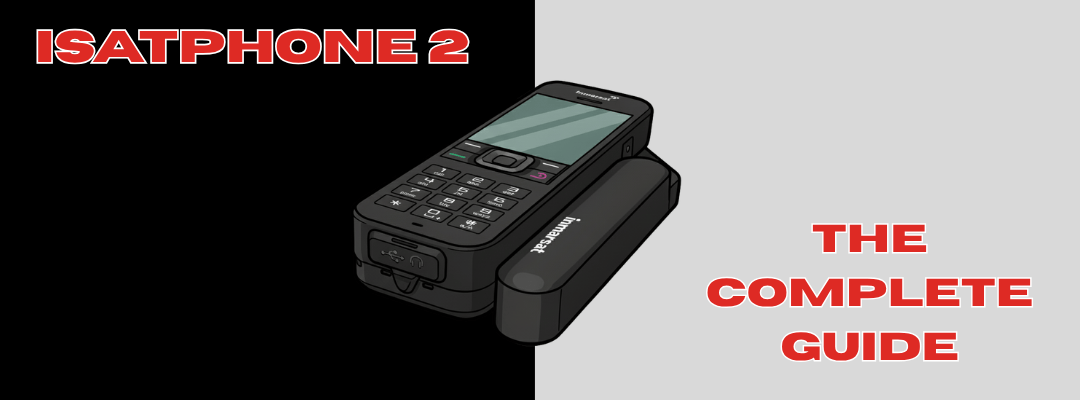
Satellite phones keep you connected when traditional networks fail. Whether you’re exploring remote wilderness, working offshore, or preparing for an emergency, renting a satellite phone ensures reliable communication anywhere on the planet—without the cost of ownership.
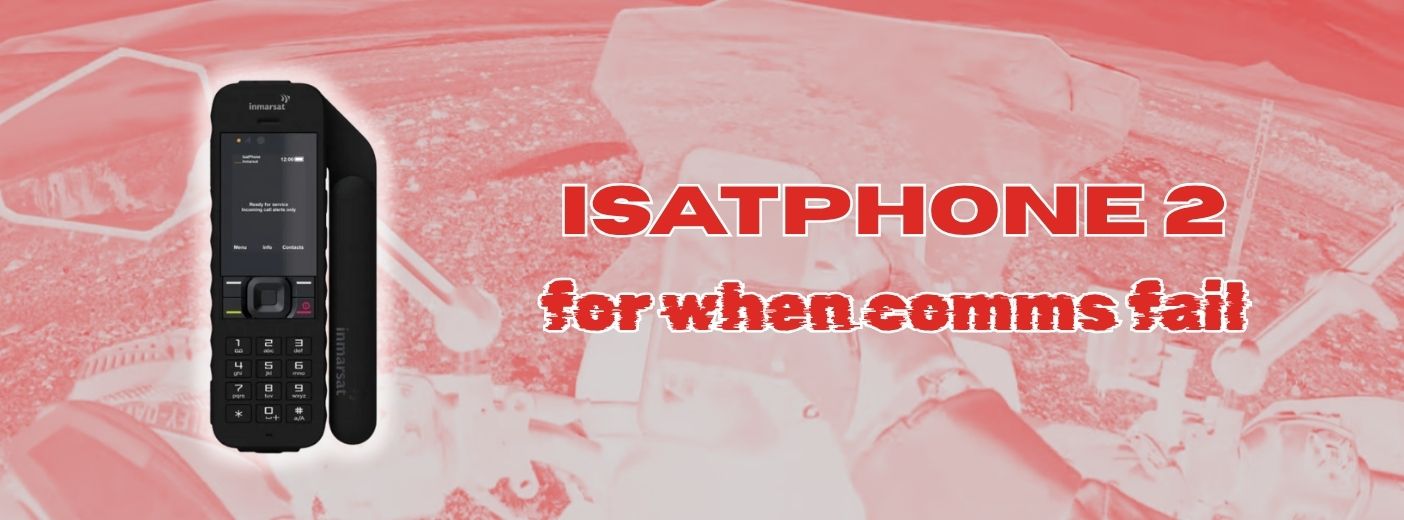
We've seen it happen. A remote mining operation goes dark for six hours because its primary comms link dropped. A first‑responder team in a disaster zone can’t coordinate efforts because the local cell network is gone. That kind of downtime isn’t just an inconvenience; it’s expensive and dangerous. The market is flooded with options, but when professionals who can’t afford to fail need satellite phones, they often reach for an IsatPhone 2 and the accompanying Isat phone service that keeps them connected.
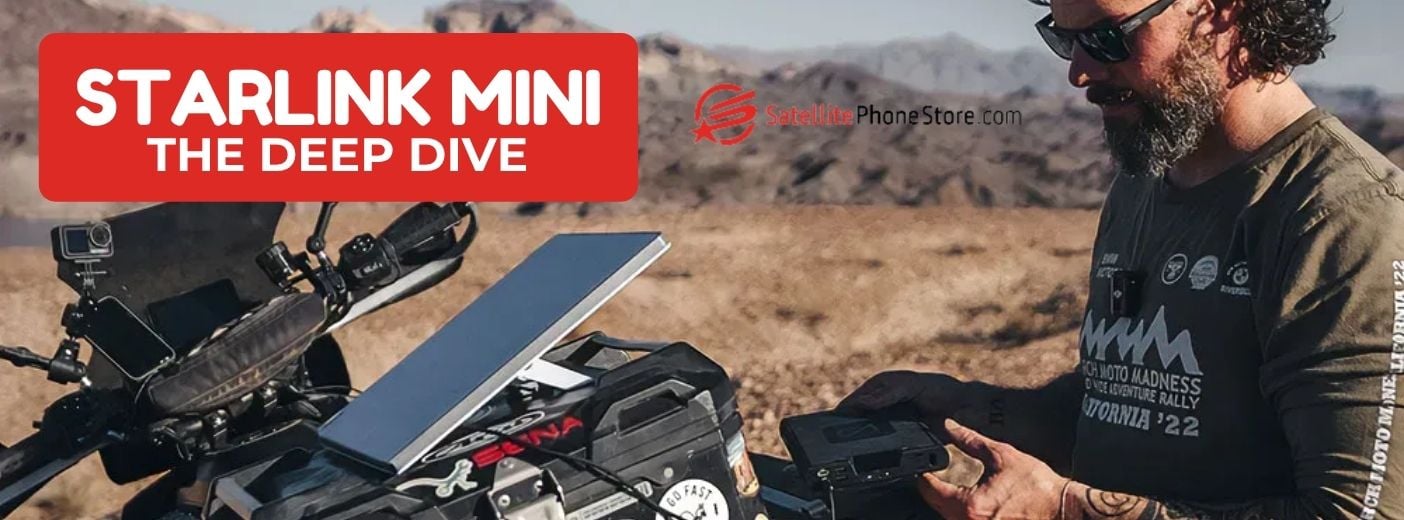
When a piece of technology comes along that doesn't just incrementally improve on what came before but fundamentally alters a whole industry (if not the world), it deserves a closer look. The Starlink Mini is precisely that—a device that redefines what it means to be connected - ANYWHERE.
This isn't just another gadget for your tech bag. It's a paradigm shift, a tiny window to a global network that promises high-speed internet almost anywhere on Earth a sliver of sky is visible. But beyond the initial excitement, critical questions arise.

The foundational assumption of modern business—ubiquitous, reliable connectivity—is increasingly challenged. We've seen operations shut down for days just because of a lost cell signal or internet outage. That’s when we realized: providing reliable communication is everything. It's not just about cool tech; it's about operational resilience, safeguarding your people, and protecting your core business functions.
Here's the honest breakdown of what you need to know about satellite phones and why they remain a non-negotiable component of any serious continuity plan:
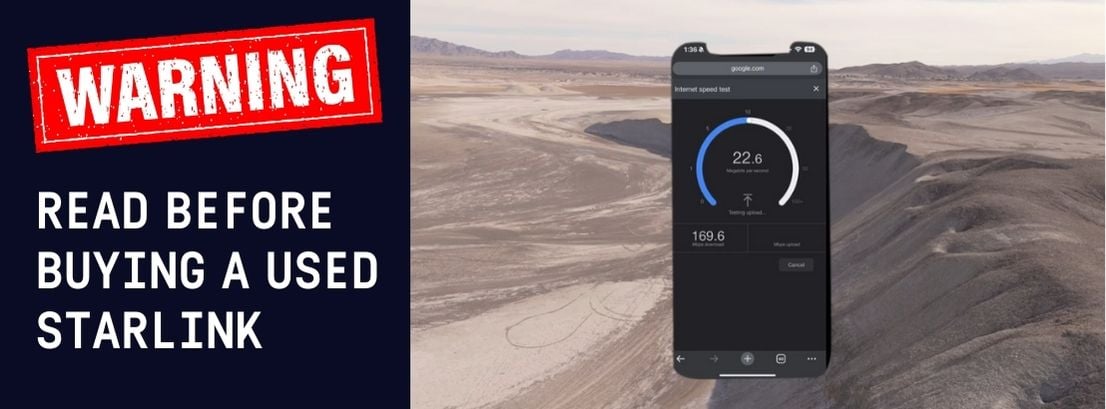
If you’re stepping into the world of Starlink satellite internet, there’s a lot to unpack—especially if you’re considering purchasing a second-hand terminal. At Satellite Phone Store, we’ve seen it all: failed activations, mismatched terminal IDs, unpaid balances from previous owners, and frustrated customers left spinning in circles. Let me save you some headaches. Here’s what you absolutely need to know about old vs. new Starlink terminals before you dive in.

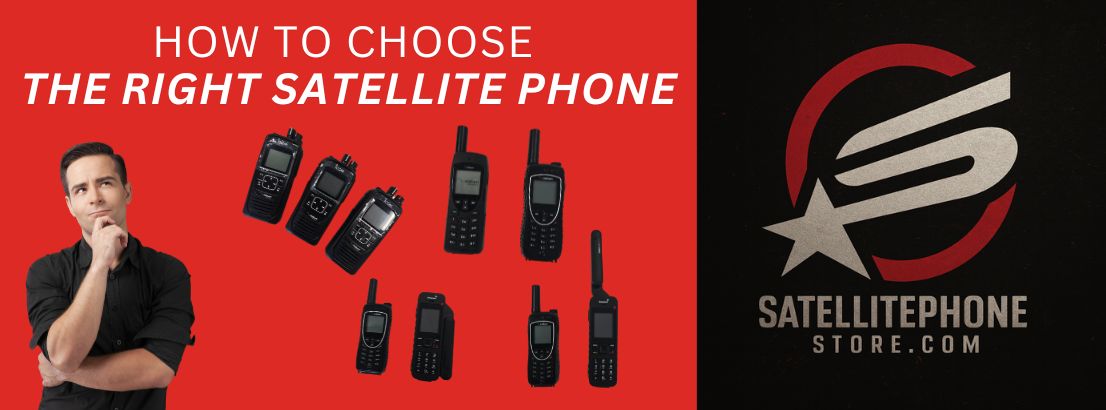
Satellite phones are indispensable tools for those venturing off the grid, whether for business, adventure, or emergency preparedness. With global coverage, these devices offer a lifeline when cellular networks are unavailable. But with numerous options available, determining the best satellite phone for your needs can be overwhelming.

In today’s world, reliable communication is crucial for personal safety, business continuity, and emergency response. Recent international cell phone outages have highlighted the vulnerabilities of traditional communication networks.

Embarking on off-grid adventures means disconnecting from the daily grind and immersing yourself in nature. However, staying connected for safety and communication purposes is crucial, especially when venturing into remote areas. Satellite phones and other off-grid communication devices become essential tools in such scenarios. To ensure these devices remain powered, portable solar gear becomes indispensable.
Let's explore the best solar gear for satellite phone users and other off-grid communication devices, ensuring you stay connected no matter where your adventures take you.