Starlink reset what off-grid internet costs and what it can do. It also still needs a clear view of sky and a power source, which is where most people get surprised. This section covers Roam, Business, Maritime and Enterprise plans, Mini and standard hardware, mount options, and real measured power draw. We also cover the situations where a Starlink terminal is the wrong answer and a handset is the right one, because they solve two different problems.
You're 80 miles into the backcountry. Your phone has five bars on the lock screen — five bars of nothing. The cell tower stopped 60 miles back. Until recently, that meant your phone was a flashlight with a camera. In 2026, that's changing fast. And the changes are not as simple as the headlines make them sound.
Your construction foreman is standing idle, unable to download the latest blueprints. Your retail store just lost a $10,000 sale because a backhoe cut the neighborhood's fiber line and your point-of-sale system is dead.
This isn't just an inconvenience; it's costing you money.
For decades, business-grade internet meant one of two things: an expensive, dedicated fiber line (if you could get it) or a painfully slow, high-latency VSAT dish. Starlink Business isn't just an update; it's a new category. But is it right for you?
When a piece of technology comes along that doesn't just incrementally improve on what came before but fundamentally alters a whole industry (if not the world), it deserves a closer look. The Starlink Mini is precisely that—a device that redefines what it means to be connected - ANYWHERE.
This isn't just another gadget for your tech bag. It'sa paradigm shift, a tiny window to a global network that promises high-speed internet almost anywhere on Earth a sliver of sky is visible. But beyond the initial excitement, critical questions arise.
For years, we’ve heard the same story from our customers. You bought a property with a great view, miles from anywhere, only to find out the local internet options were a joke. Slow DSL, spotty cell service, or worse—traditional satellite internet with latency so bad a simple video call was impossible. We know the frustration because we’ve been installing remote communication solutions for over 20 years.
Then came Starlink. It's not just another option; it’s a complete rewrite of what’s possible for rural and remote connectivity. But with all the hype, the real question is: does it actually work in the field?
Here's our straightforward, no-nonsense breakdown based on hands-on experience deploying these systems.
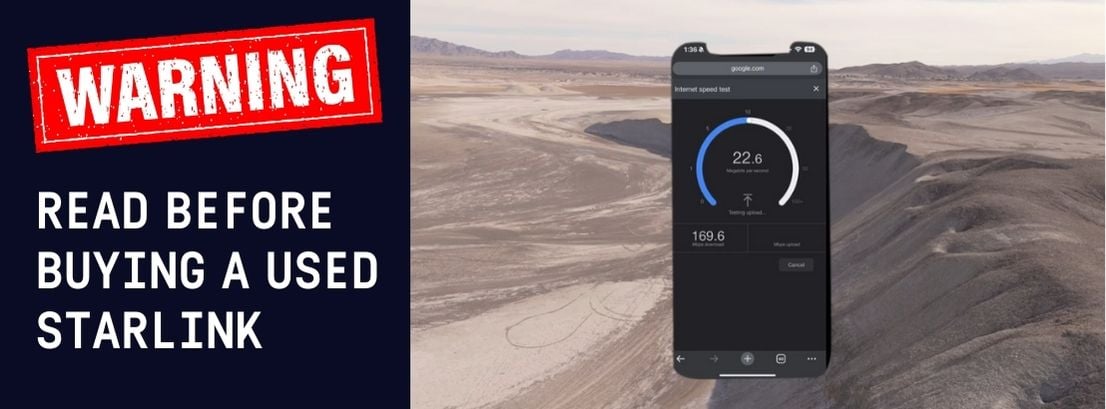
If you’re stepping into the world of Starlink satellite internet, there’s a lot to unpack—especially if you’re considering purchasing a second-hand terminal. At Satellite Phone Store, we’ve seen it all: failed activations, mismatched terminal IDs, unpaid balances from previous owners, and frustrated customers left spinning in circles. Let me save you some headaches. Here’s what you absolutely need to know about old vs. new Starlink terminals before you dive in.
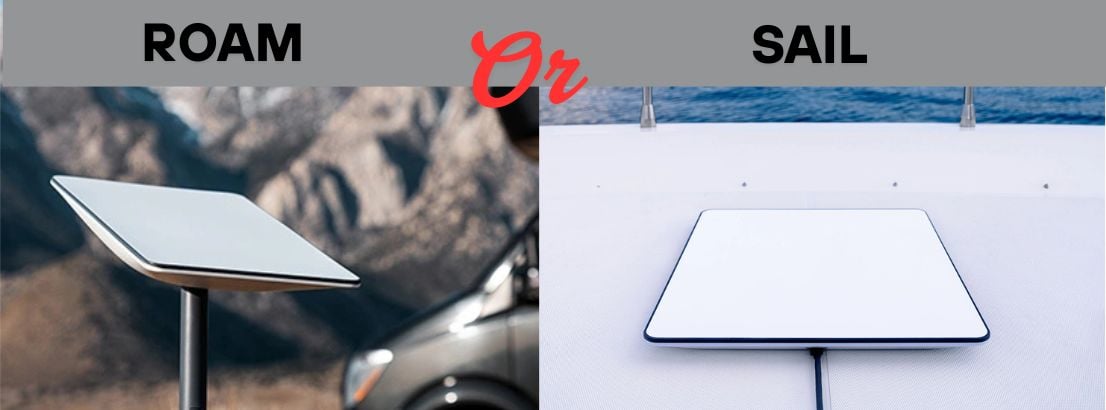
In the vast expanse of satellite internet offerings, Starlink has emerged as a beacon of global connectivity—promising high-speed internet virtually anywhere, whether you're navigating rugged terrain or sailing across open waters. As digital nomads, marine professionals, and global travelers seek seamless internet access, two of Starlink’s most talked-about services—Starlink Roam and Starlink Maritime—have become hot topics.
At first glance, they might seem interchangeable. But dig deeper, and the distinctions become critical—especially if you’re planning to use Starlink on a boat, in an RV, or on remote coastlines. Let’s chart a course through the nuanced differences between these two offerings, so you can stay connected wherever your journey takes you.
What is Starlink Roam?
Starlink Roam (formerly known as Starlink RV) is tailored for