Networks launch, hardware gets discontinued, plans change price on 30 days notice, and regulators redraw the rules. We track it because our customers' safety plans depend on it. This section is satellite communication news in plain English: what changed, whether it affects the gear already in your hand, and what to do about it. We do not republish press releases — if a launch does not matter to someone off-grid, we will say that.
You're 80 miles into the backcountry. Your phone has five bars on the lock screen — five bars of nothing. The cell tower stopped 60 miles back. Until recently, that meant your phone was a flashlight with a camera. In 2026, that's changing fast. And the changes are not as simple as the headlines make them sound.
On September 23rd, 2025, the U.S. Secret Service quietly stopped a plot that could have plunged New York City—and the surrounding tristate area—into a complete communications blackout. The operation didn’t make headline news, but the official press release revealed a chilling reality: a sophisticated network of more than 300 co‑located SIM servers and 100,000 SIM cards was discovered and dismantled just in time.
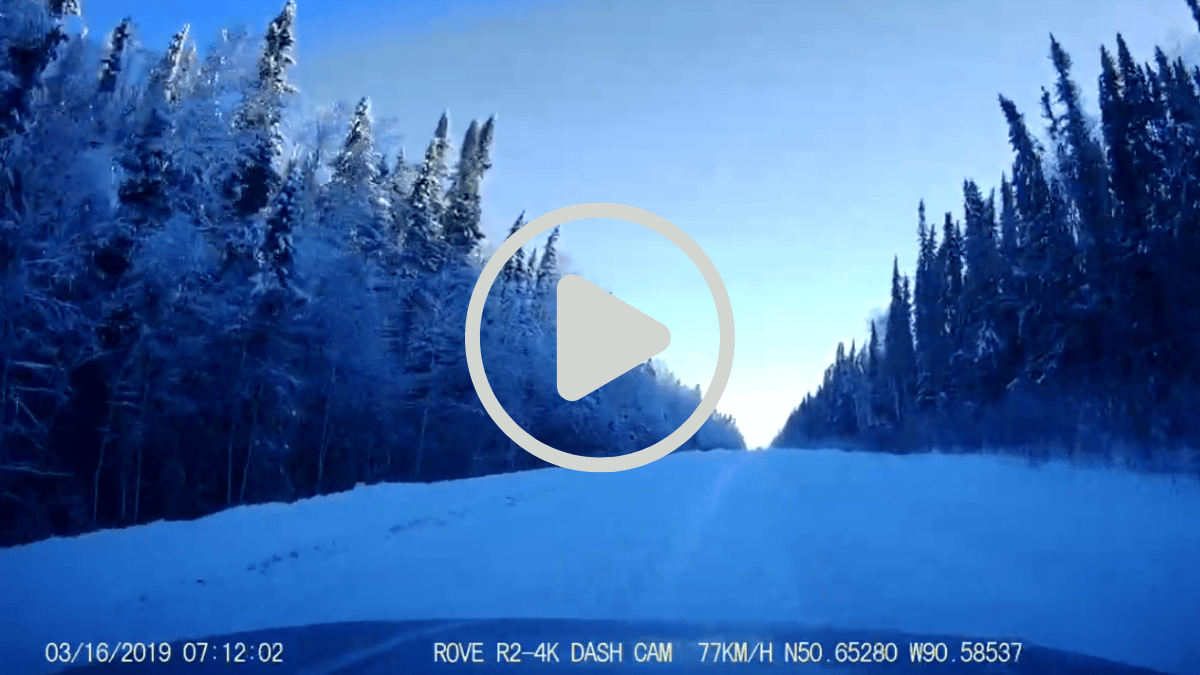
On March 16, 2019, I lost control of my pickup truck while traveling on a very rural northern Ontario road. I slid my truck into the ditch.
Being over 1.5 hours from the closest town and no cell phone reception, I was very glad that I had my satellite phone and that I maintained minutes on it for emergencies. I was able to call for a tow truck right away and within a couple of hours, I was able to resume my drive.
If anyone thinks, "I'm not going to need it, I'll be fine." they probably need it even more. Without the phone, I would have been left alone outside in the freezing cold for at least 5 hours while waiting for a tow truck to hopefully come and pull me out of the ditch.